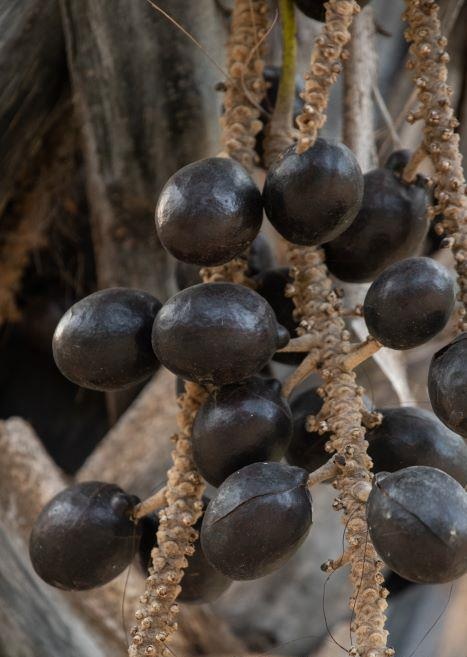
توضیحات
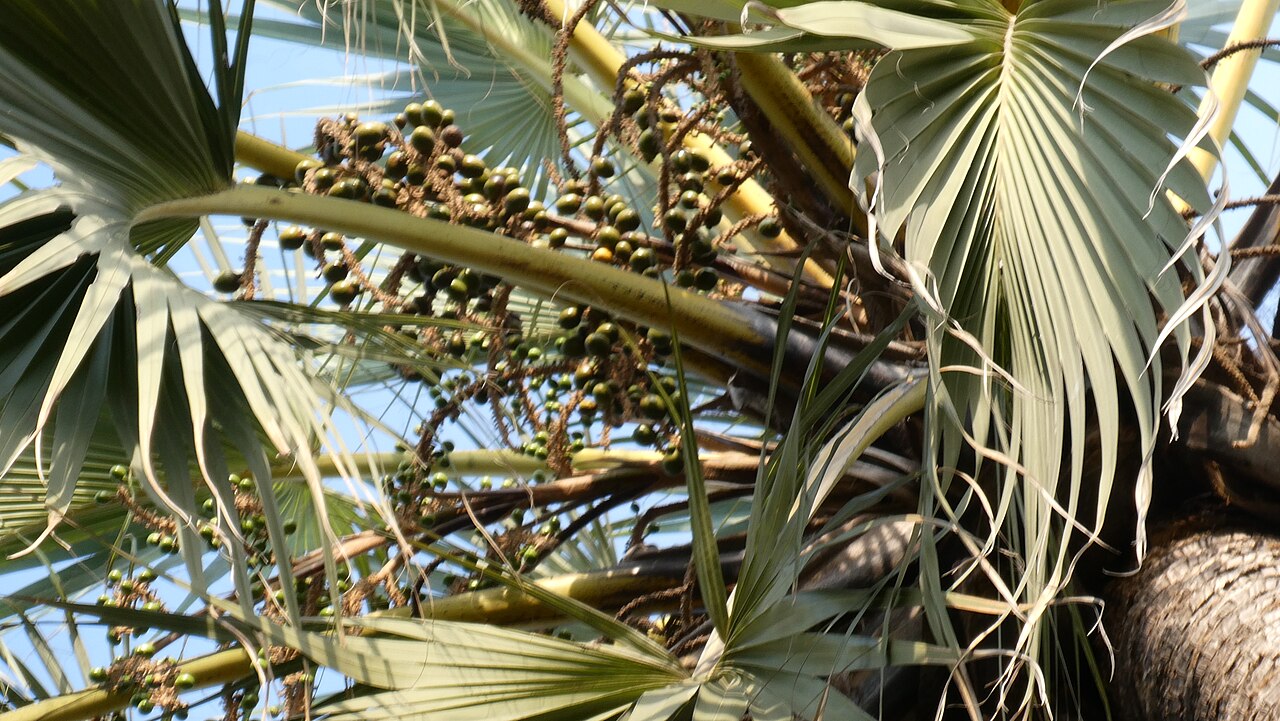
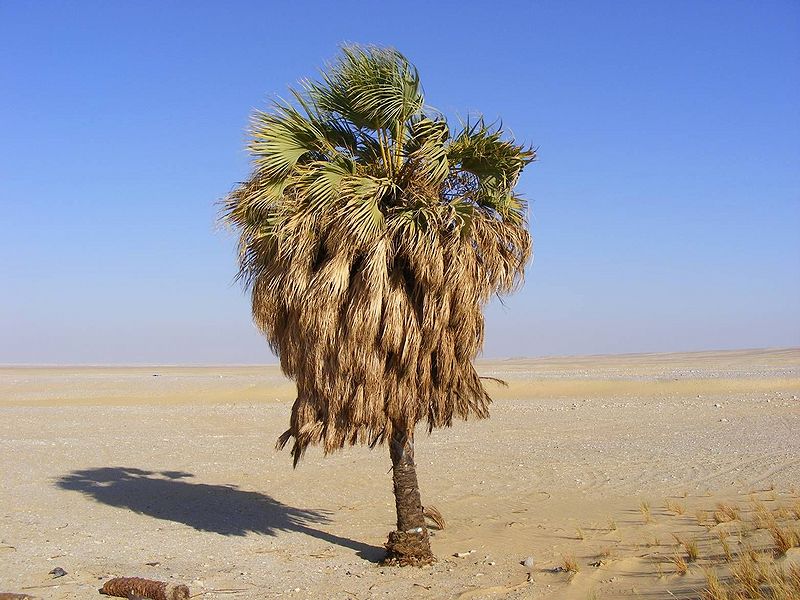
نخل مدمیا آرگون ( عربی: النخلية مديم الأرجون ) گونه ای کمیاب از نخل ها بومی جنوب مصر تا شمال سودان است
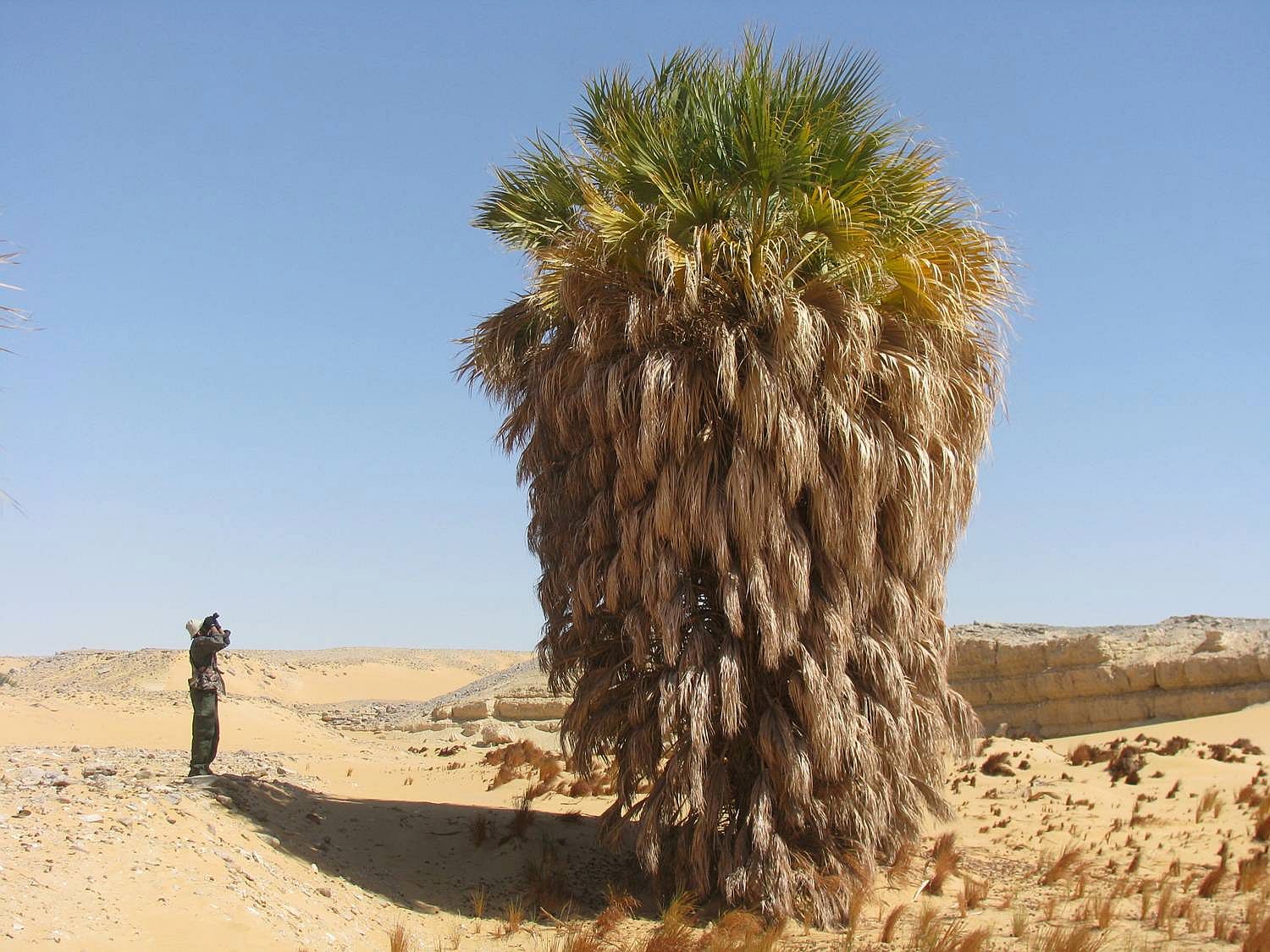
در مرز مصر و سودان جایی که به نام بیابان نوبیه (عربی: صحراء النوبة) شناخته میشود همجوار رود نیل این نخل به صورت بومی رویش دارد
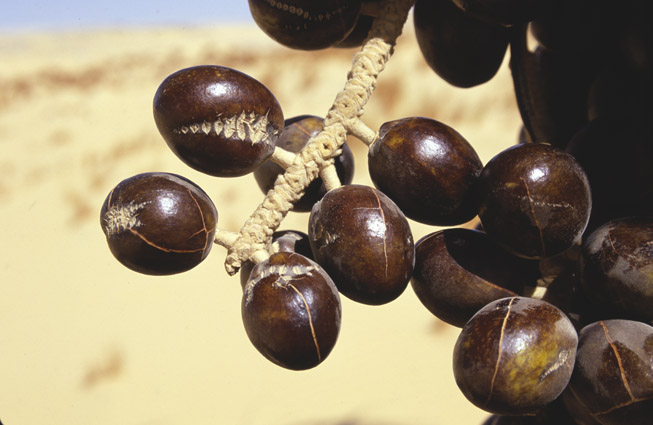
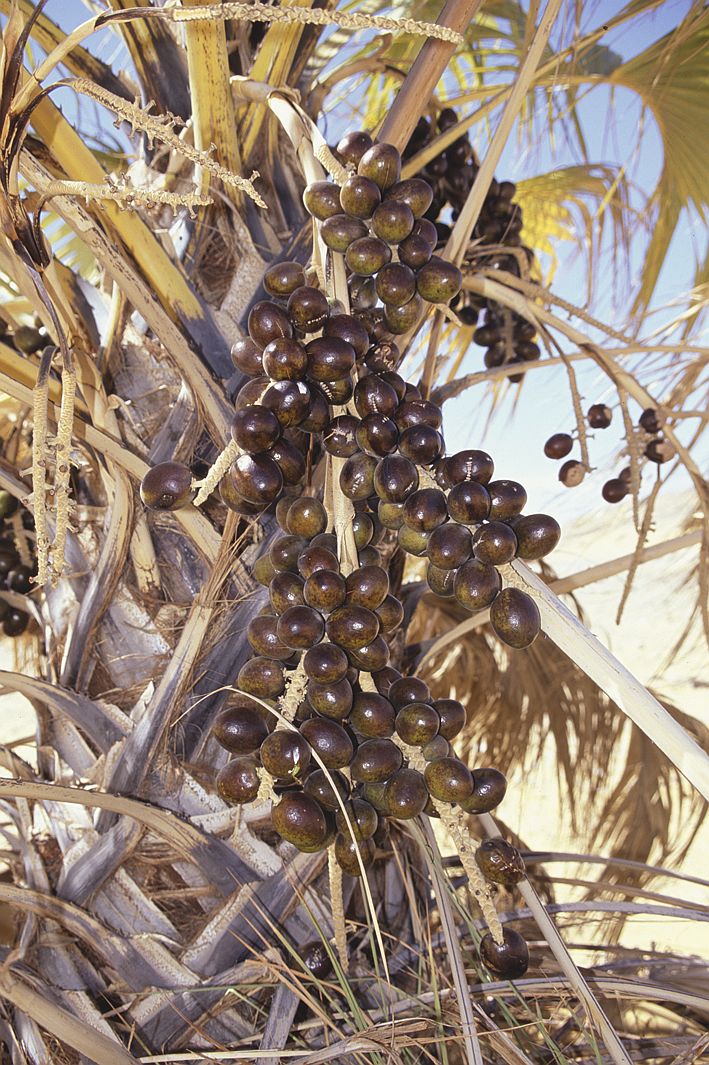
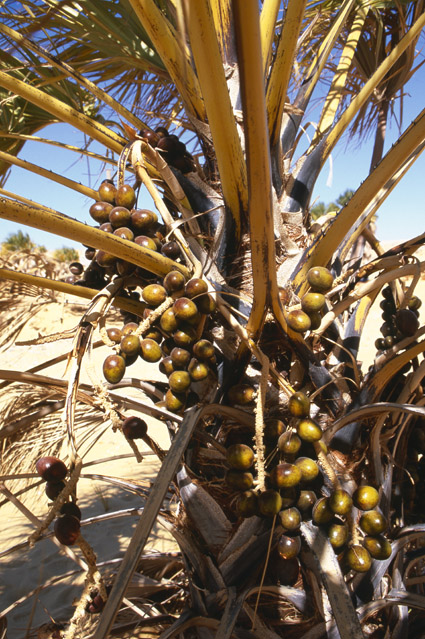
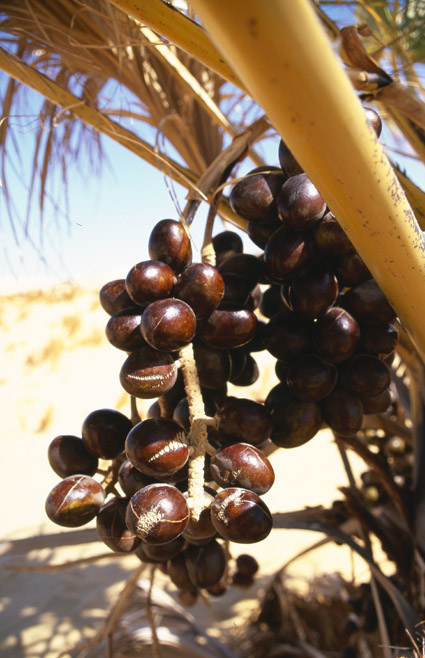
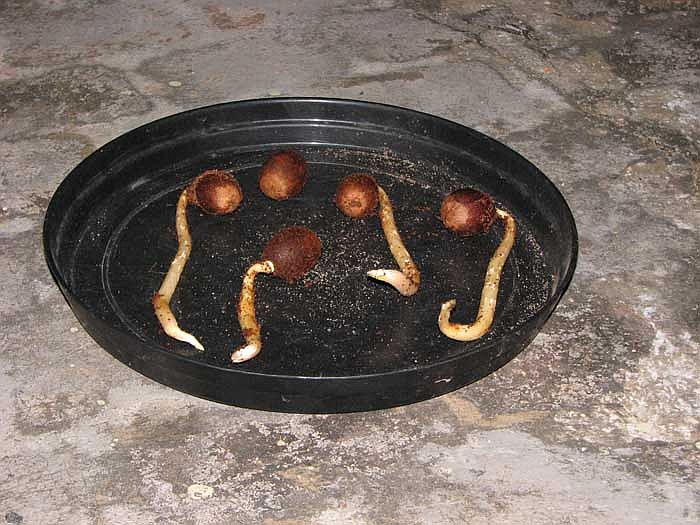
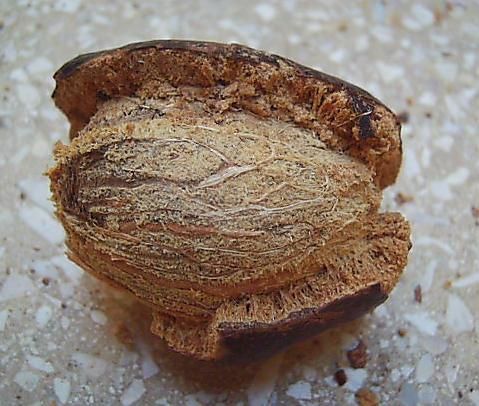
بذرهای آن درشت اندازه گردو و چوبی و الیافی هستند و داخل آن عاج سفیدی قرار دارد که از جنس نشاسته فشرده برای تغذیه جنین داخل بذر است
سرعت رشد آن زیاد است و تا حدود صفر درجه سرما رو می تواند تحمل کند
شرایط صحرایی را می پسندد که تابستان گرم و خشک و زمستان سرد دارد
گونه ای کمیاب از نخل هست و بذرهای درشت آن که اندازه گردو هستند براحتی پیدا نمی شود
تنها 7400 نفر درخت این نخل در سودان و 32 نفر درخت این نخل در مصر وجود دارد و در هیچ جای دیگر جهان به صورت بومی ندارد
منطقه ای که این نخل ها وجود دارند تنها 880 کیلومتر مربع است و گونه ای تحت خطر انقراض در نظر گرفته شده است
این گونه کمیاب از نخل توسط بانک بذر جنوب در ایران معرفی و عرضه میشود تلاش بر این است که در حفظ و نگهداری این گونه به کمک دانشگاه شیراز و دکتر خسروی عزیز بخش هرباریوم دانشگاه کوشا باشیم
Medemia argun is a rare species of the palm tree family (Arecaceae) native to Egypt and Sudan. It is the only species in the genus Medemia
The palm’s dried dates have been found in ancient Egyptian tombs
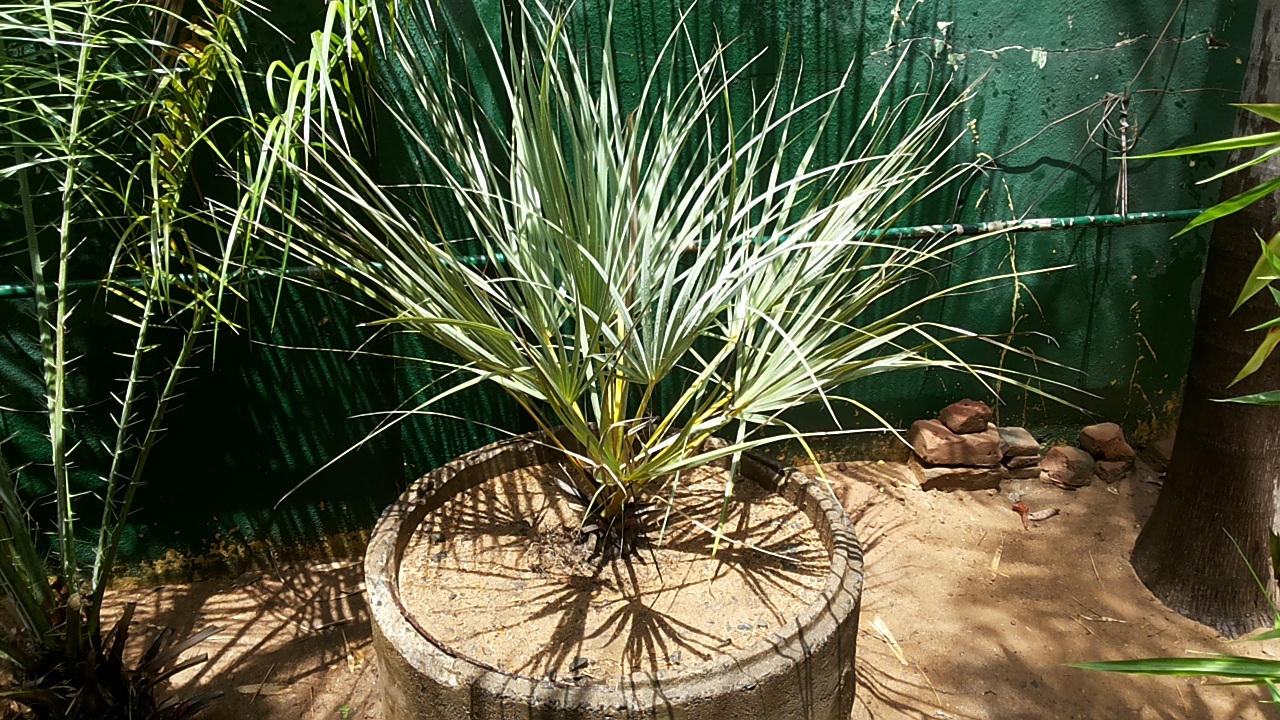
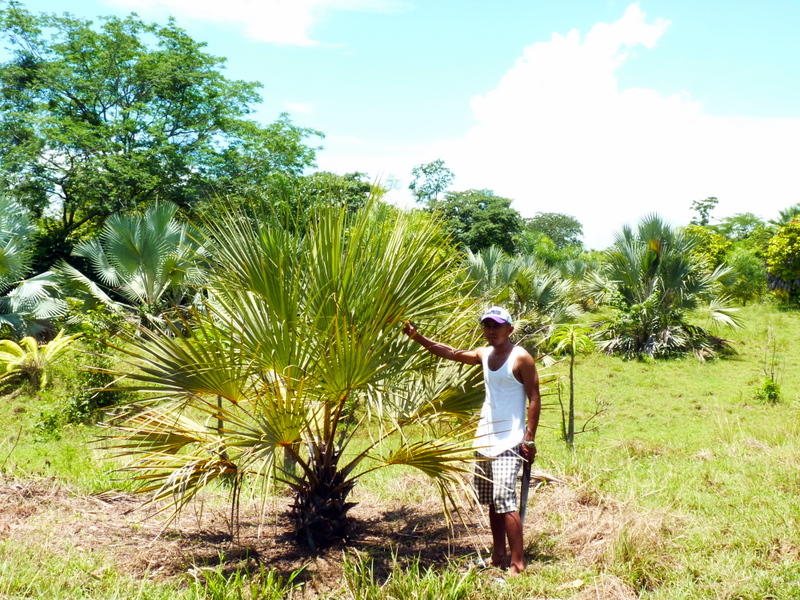
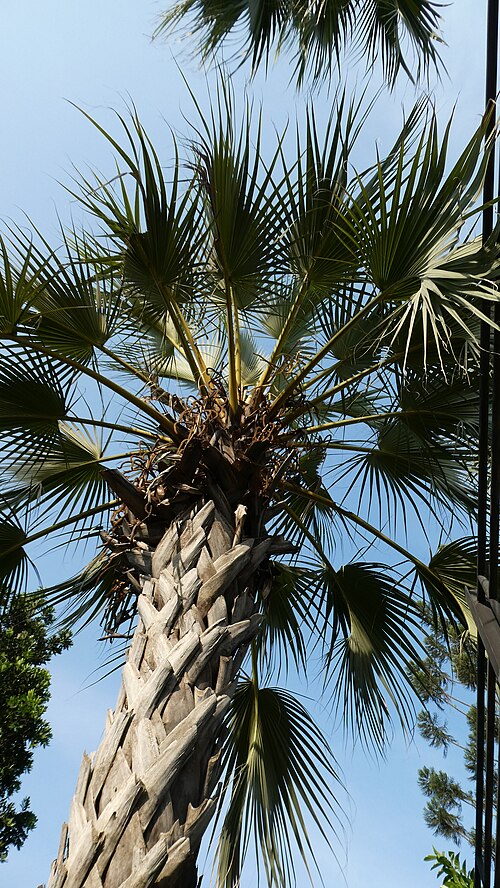
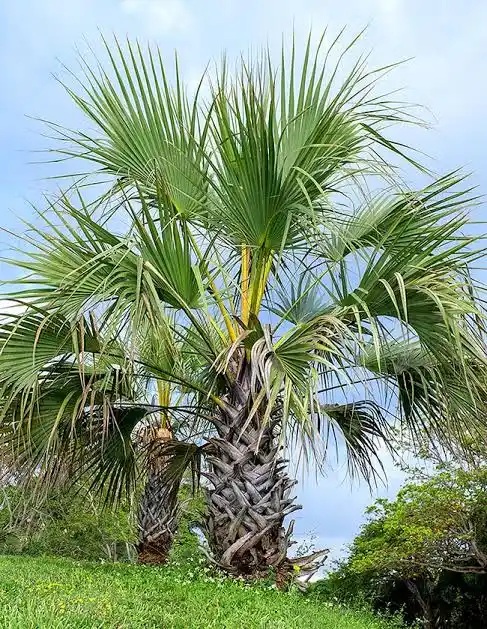
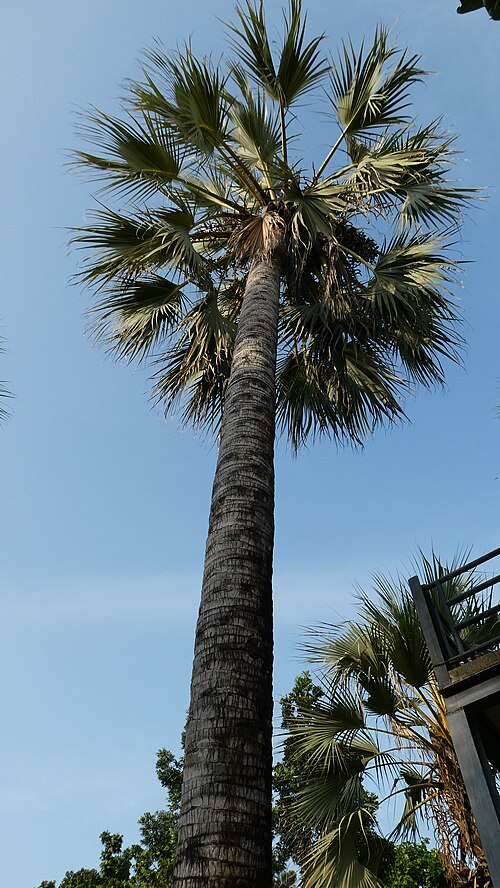
Medemia argun is a robust, solitary-stemmed, dioecious palm up to 10 m (33 ft) tall with fan leaves forming a dense rounded crown. It grows in extreme desert conditions
It is typically found in dry river beds in which ground water is likely to occur
Medemia argun is found only in oases inside of the Nubian Desert, in southern Egypt and northern Sudan. The global population is divided in several sub-populations, with the most important (>90%) part of the population occurring in northern Sudan. The global population of Medemia argun was estimated at 7,400 individuals in the middle of the 2000s. In Egypt, only 32 individuals were counted at Dungul Oases in 2007 (Ibrahim and Baker 2009). Its area of occupancy is restricted to 880 km²
Conservation
The palm is an IUCN Red List vulnerable species, due to habitat loss and artisanal mining. Currently, almost all the area where the palm occurs has been demarcated and leased by the government as concessions for national and foreign gold companies (Ali 2016, H. Ibrahim. pers. comm. 2017). Mining activities within the distribution of Medemia argun result in major landscape disturbance due to large scale excavations and tunneling. In addition, the mining companies seek ground water by drilling holes and digging exploration trenches, which cause both severe habitat degradation and destruction for the species. Moreover, mercury and cyanide are used in gold mining, leading to the pollution of ground water
The palm is also threatened by climate change, which will likely stress existing populations and inhibit the recruitment of juveniles
In Egypt, the species occurs in Wadi Allaqi Biosphere Reserve and Dungul Oasis. In 2003 an ex situ conservation experiment was done in University of Aswan, Egypt, where 21 seedlings had been planted in the University desert garden
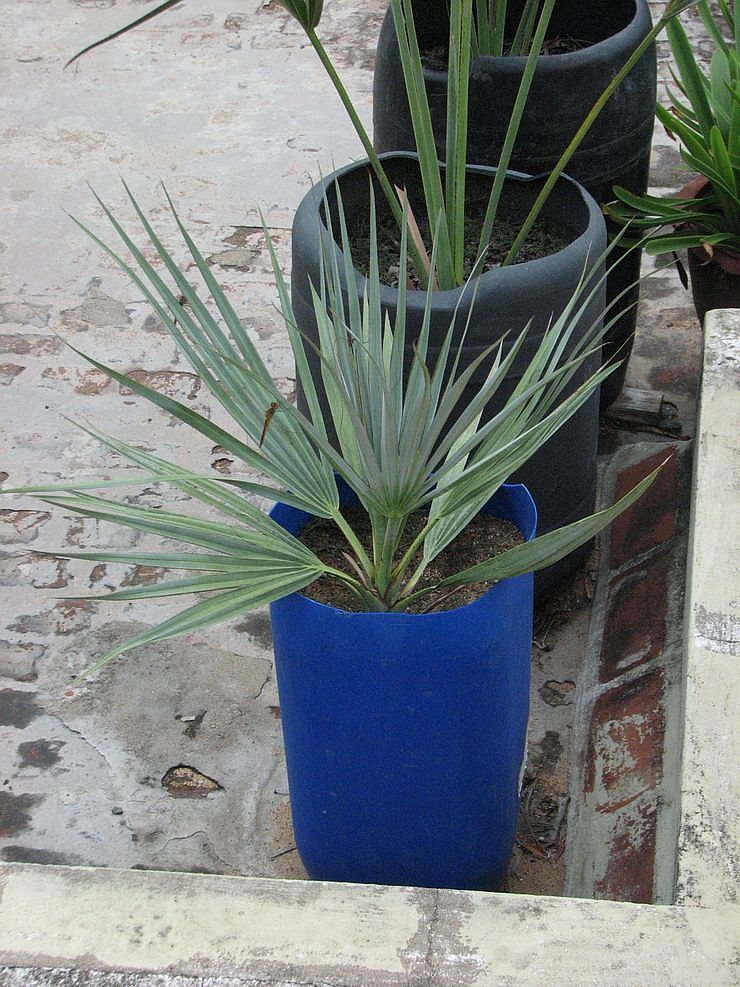
Some of them are now fruiting. Medemia argun has also been introduced to cultivation outside Africa