توضیحات
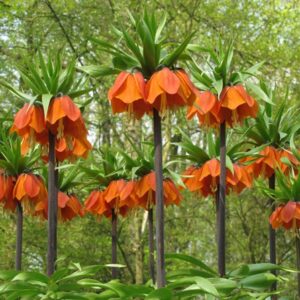
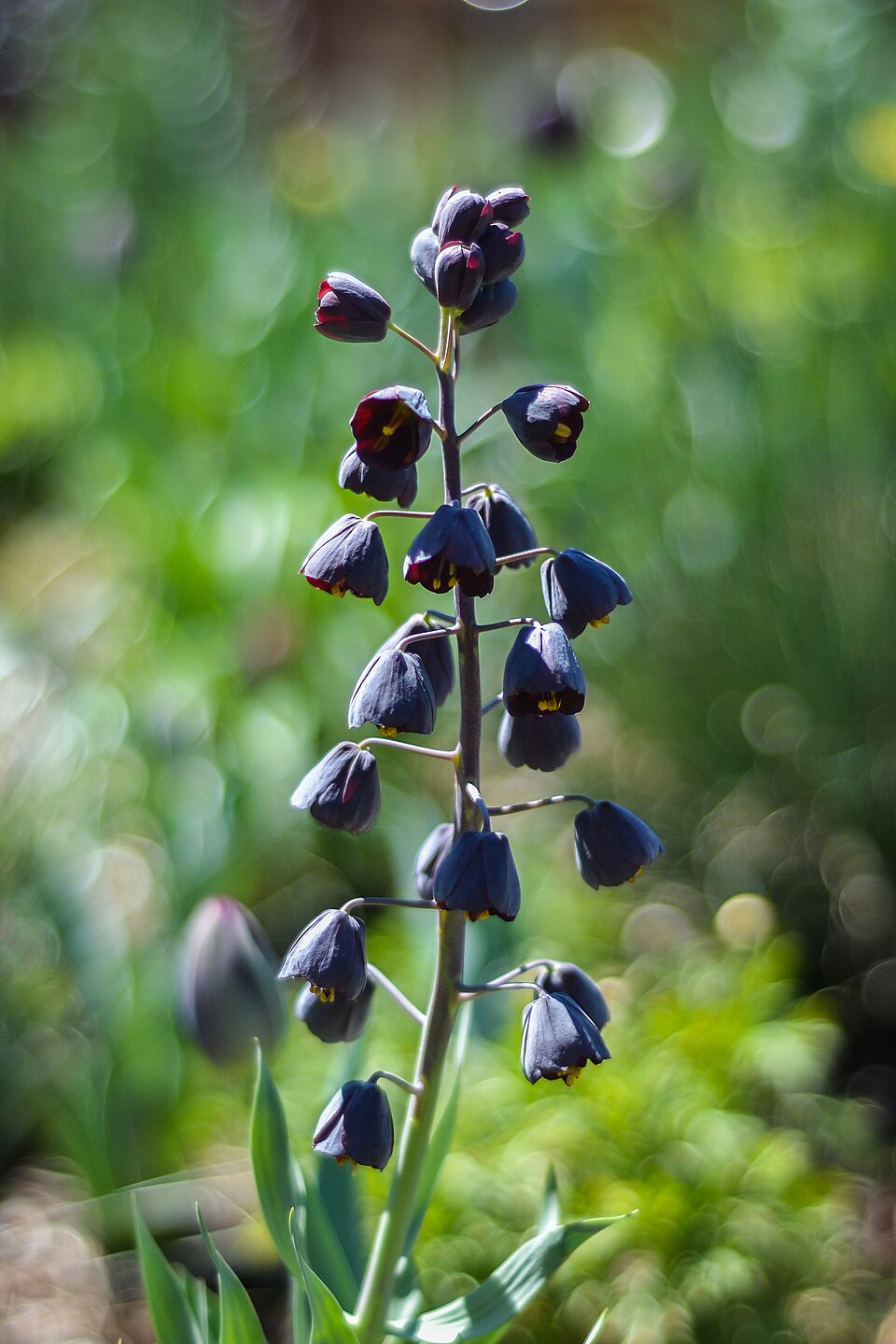
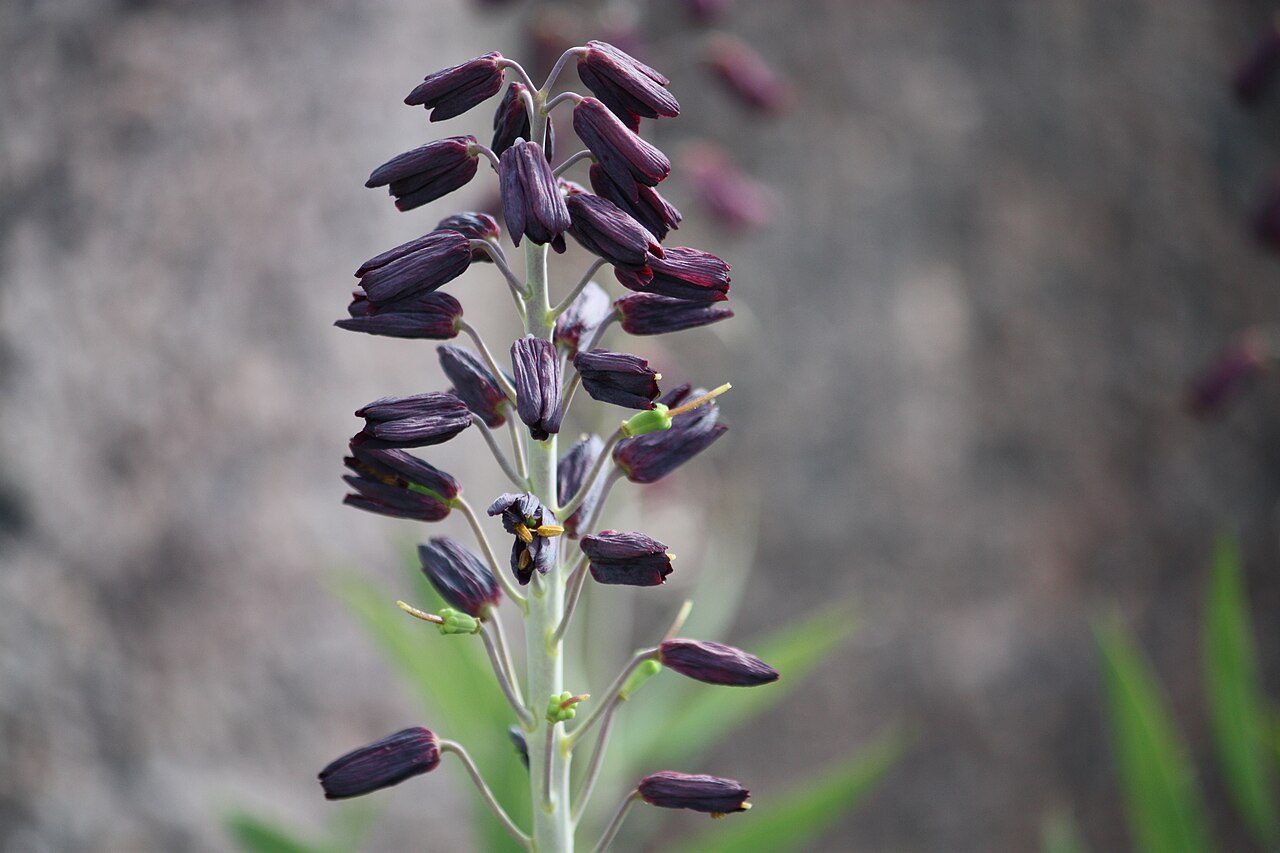
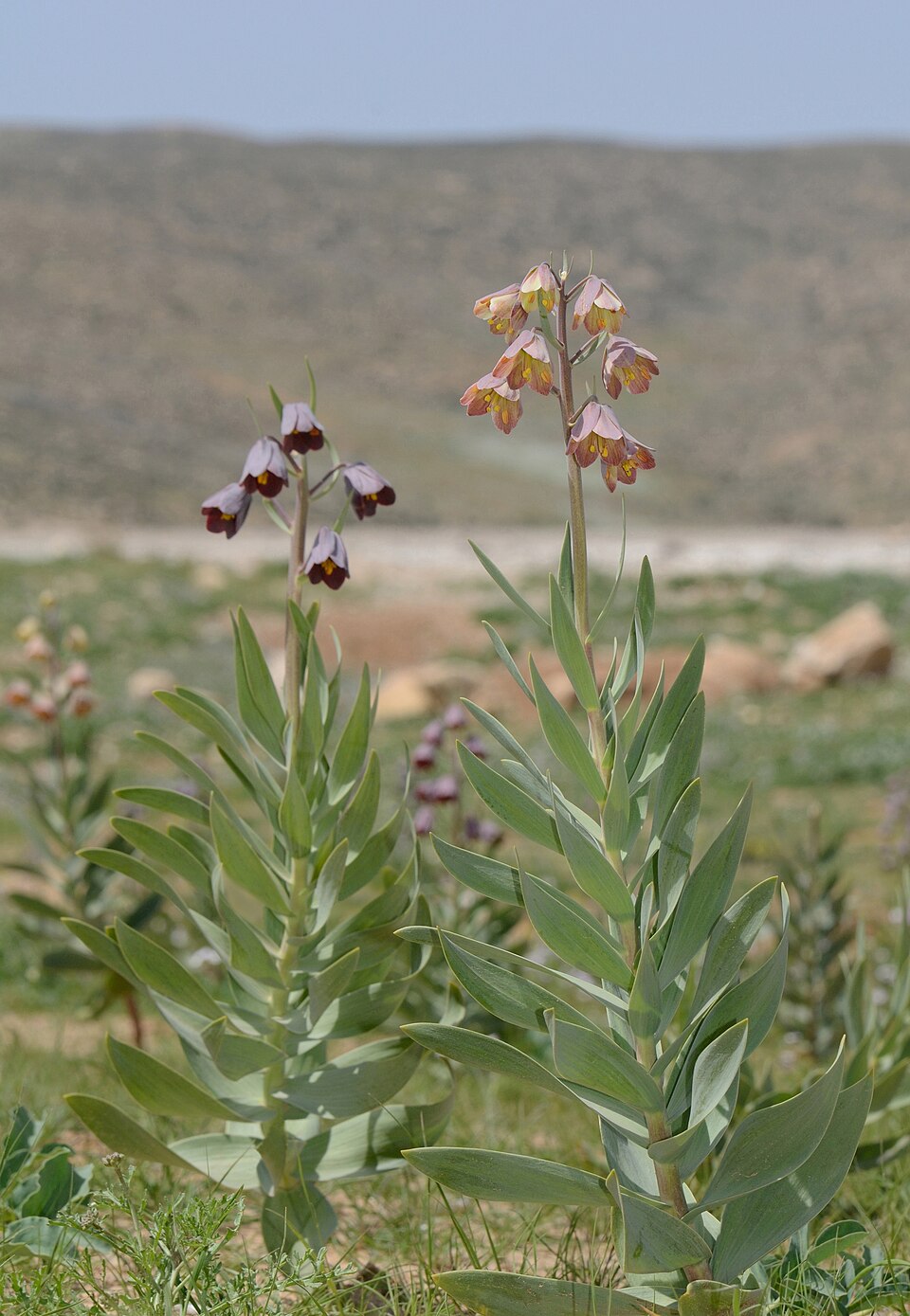
لالهٔ واژگون ایرانی یا گل سرنگون ایرانی (نام علمی: Fritillaria persica) یکی از گونههای لاله واژگون است. ارتفاع آن به ۷۵ سانتیمتر میرسد و گلهای واژگون بطول ۱ و نیم سانتیمتر آن از نظر رنگ نسبتاً متنوع میباشند. که این تنوع میتواند از رنگ ارغوانی سیر تا رنگ متمایل به سبز یا زرد دیده شود. در کوههای زاگرس نسبتاً فراوان است و در دامنههای سنگلاخی یا اغلب در مزارع دیده میشود. زمان گلدهی در ماه فروردین است
—
لاله واژگون گیاهی پیازدار و بذر دار از خانواده سوسنیان است که بومی منطقه گستردهای از فلات ایران، آناتولی و کوهپایههای هیمالیااست. وجه تسمیه اشک مریم به داستانهای اسطورهای بازمیگردد. این که این لاله، شاهد مرگ سیاوش بوده و از غصه این اتفاق سربه زیر شده و اشک میریزد. اشکهای لالهٔ واژگون در حقیقت شیرهٔ بیرنگی هستند که در درون لاله قرار دارند و گاهی به سمت پائین سرازیر میشوند. آن را گُل اَشک نیز نامیدهاند زیرا مقداری شبنم در بین این گلها جمع میشود و سپس از گل به پائین میچکد. لاله واژگون بومی مناطق معتدل در مناطق وسیعی از نیمکره شمالی از دریای مدیترانه و شمال آفریقا تا سراسر اوراسیا و بخشهایی از آمریکای شمالی هستند. لاله واژگون، بهعنوان گیاهی زینتی در باغبانی و صنعت گل و همچنین در طب سنتی چین دارای اهمیت اقتصادی هستند. این موضوع باعث تهدید نسل لالههای واژگون در برخی مناطق شدهاست.
لالهٔ واژگون یا لالهٔ نگونسار، هم در نقش سرستونهای ساسانیها و هم در طاقبستان در کنار نقش پادشاه ساسانی دیده میشود. در متون ادبی ایرانی گفته شده که این گل در آن زمان که گلوی سیاوش با تیغ تیز گرسیوز آشنا شد، شاهد ماجرا بود. از پس آن اندوه، گلگونه رخ، سر به زیر افکند تا آرام آرام اشک بریزد بر بیگناهی سیاوش.
چو سرو سیاوش نگونسار دید سراپردهٔ دشت خونسار دید
بیفکند سر را ز انده نگون بشد زان سپس لالهٔ واژگون
Fritillaria persica is a Middle Eastern species of flowering plant in the lily family Liliaceae, native to southern Turkey, Iran, Iraq, Lebanon, Syria, Cyprus and Israel. It is widely cultivated as an ornamental and naturalized in the Lazio region of Italy. It is the sole species in Fritillaria subgenus Theresia. The Latin specific epithet persica means “Persian”, referring to the modern country of Iran. Fritillaria persica is a robust bulbous perennial growing 30–60 cm (12–24 in) tall. Each plant may bear up to 30, conical, narrow, bell-shaped flowers, up to 0.75 in (1.9 cm) long, ranging in colour from deep purple to greenish brown. A plant commonly found in cultivation outside its range is the cultivar ‘Adiyaman’, which is taller and more free-flowering than populations of the species inside its native range. This cultivar has gained the Royal Horticultural Society’s Award of Garden Merit